Home / Services / Trademarks

China trademarks · For overseas brands

China Trademark Lawyer: Filing, Squatters and Enforcement

I file Chinese trademarks for overseas brands and deal with what follows: refusals, squatters, copies on Chinese platforms and disputes in court. The same lawyer handles the application and, if it comes to it, the litigation.

USD 600per class to file, plus official fees
USD 300clearance search per mark per class
Quotedoppositions, invalidations and enforcement, after review

Ask about a trademark →Fees & process

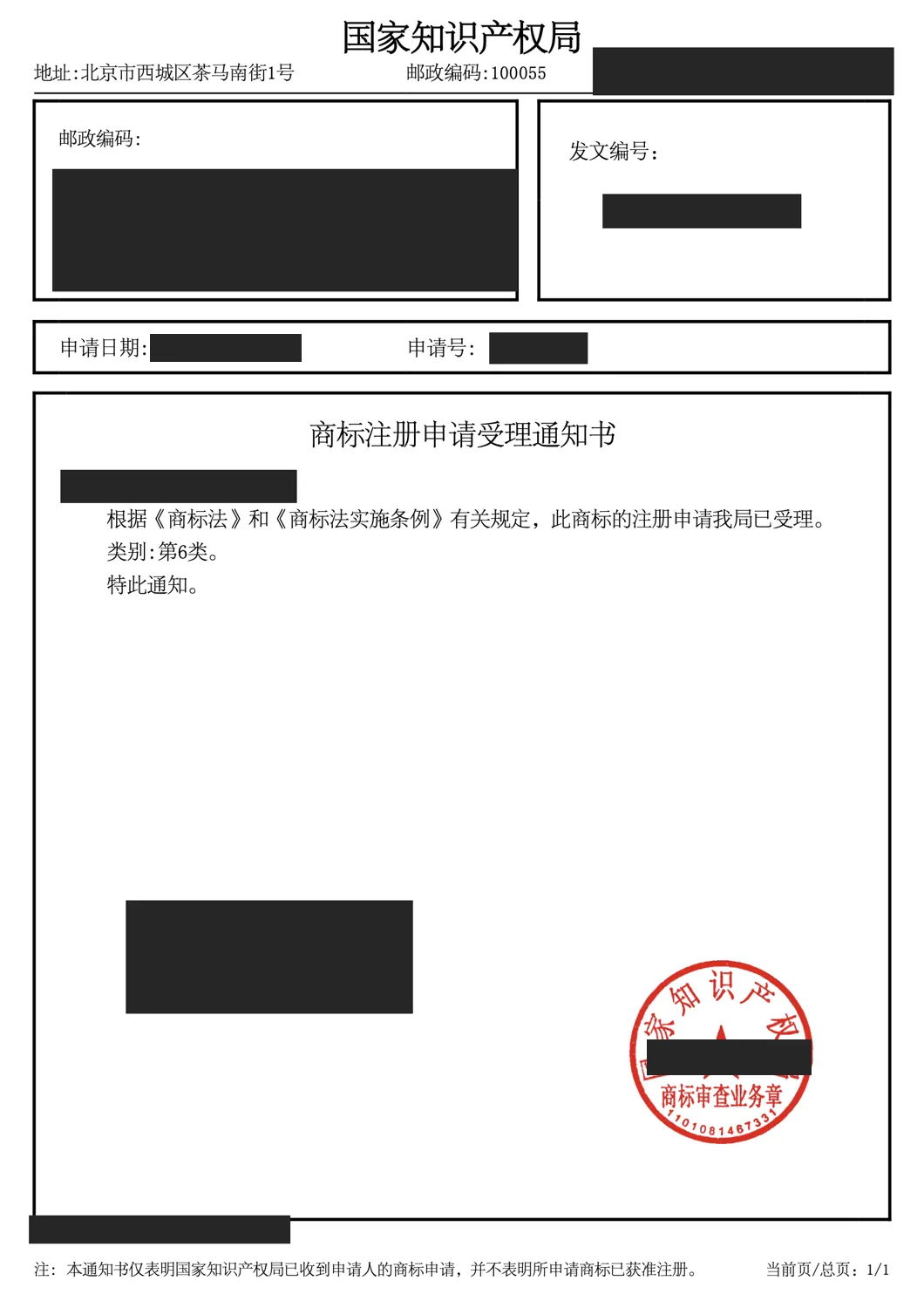
Stainless-steel rotary equipment photographed on a site visit
From a site visit: equipment made in China for an overseas brand. Original product photograph.

The short answer

  • China registers the first applicant. Use or fame outside mainland China counts for very little.
  • File before you sell, manufacture or exhibit in China, and register the Chinese-language name you want customers to use.
  • Examiners compare marks by Chinese sub-class. Choose items from the Chinese list that match what you actually sell.
  • If someone filed first, the routes are opposition, invalidation and non-use cancellation. Each one turns on evidence.
  • A revised Trademark Law takes effect on 1 January 2027: a two-month opposition window, fines for bad-faith filing, and no damages for owners who have not used their mark.

Open the part that matches your question. Each section is complete on its own.

What does a China trademark application involve?

Search, classes and sub-classes, the Chinese name, and what to file first.

A China filing starts with a clearance search in each class you care about. Chinese examiners compare marks within sub-classes (类似群), so the search and the list of goods follow the Chinese sub-class system. Picking items from the standard Chinese list avoids refusals over wording.

What I check before filing

  • Identical and similar earlier marks in the relevant sub-classes, with a risk rating for each.
  • Whether the word describes the product too directly to be registered on its own.
  • Which versions to file: the word, the logo, a combined mark, and the Chinese name.
  • Which goods earn money now, which are planned, and which are purely defensive.

What to file first

Budget usually decides the order. Core classes for the products you sell or make now come first. Classes for planned products and defensive items follow in a second batch. A short, attractive word is often the hardest to register, so I usually suggest filing a combined mark or the full name first and treating the short word as a separate decision.

After filing

The application is examined, and if approved it is published. During publication others may oppose it. If there is no opposition, the mark is registered. If the examiner refuses some items, a review can be requested within the time limit on the refusal notice.
What can I do if someone registered my brand in China first?

Opposition, invalidation, non-use cancellation, and when buying the mark back makes sense.

China registers the first applicant. Use and fame outside China count for very little, as the Supreme People's Court confirmed in the STAPLE ruling. The routes that remain depend on who filed and why.

During publication: opposition

If the squatter's application is still being published, an opposition is the cheapest route. Under the revised Trademark Law in force from 1 January 2027 the window is two months from publication (currently three months).

After registration: invalidation

  • Agent, distributor or partner filings. A company that knew your brand through a business relationship and filed it without permission.
  • Knowing pre-emption of a mark you already used in China. This needs evidence of use and some reputation in mainland China before the squatter's filing date, and is usually subject to a five-year limit.

Non-use cancellation

If the registration is more than three years old and the owner has not used it, anyone may apply to cancel it. The owner then has to prove use. This is slow and depends on the owner's evidence, so I run it alongside your own filing.

Buying it back

Sometimes paying is quicker. It also rewards the practice and may leave other filings by the same group in place. I compare the cost and timing of each route before recommending one.

What can I do when my brand is used in China without permission?

Evidence first, then platforms, regulators, customs or the courts.

Enforcement in China runs on evidence and on a registration in the right sub-class. The steps below are usually combined.

  1. Capture the evidence. Notarised test purchases and time-stamped captures of listings, shop signs and social accounts, taken before any contact. Sellers edit pages once they receive a letter.
  2. Platform complaints. Chinese e-commerce platforms act on a registration certificate and a clear comparison. It is fast, and it only removes listings.
  3. Administrative complaint. The market regulation authority can order the infringement to stop, confiscate goods and impose fines. It is useful against shops and small manufacturers.
  4. Customs. Once you hold a Chinese registration, recording it with China Customs lets customs hold suspected infringing imports and exports.

The same approach applies when a local business puts your brand in its company name. See that case.

What if I am accused of infringing a Chinese trademark?

Earlier use, the owner's own non-use, and descriptive use are real defences.

Overseas brands are sometimes the target: a Chinese registrant sues the distributor, the factory or the platform seller. Three defences come up most often.

  • The owner's non-use. Under the revised law from 2027, an owner who cannot show use in the three years before the alleged infringement, and no other loss, recovers no damages.

Goods made in China for export can also be caught. The Supreme People's Court held in the HONDAKIT case that export-only OEM production can infringe a Chinese registration.

What changes under China's revised Trademark Law in 2027?

Shorter opposition window, fines for bad-faith filing, and no damages for non-use.

China's Trademark Law was revised on 26 June 2026. The new law takes effect on 1 January 2027, renumbers every article, and keeps existing registrations valid. The changes that matter most to overseas brands:

  • Filing without intent to use and clearly beyond normal business needs is refused, and filings by deception or other unfair means are prohibited (art. 19).
  • Knowing pre-emption of a mark someone else already uses with some reputation is prohibited (art. 24).
  • Bad-faith applicants can be fined by the enforcement authority (art. 54).
  • Opposition must be filed within two months of publication (art. 36).
  • Referential use to indicate the purpose, users or setting of your own goods, or their true origin, is allowed unless it causes confusion (art. 73).
  • No damages without use. An owner who cannot show use in the three years before the infringement, and no other loss, recovers no damages (art. 78).

What does trademark work cost?

Search and filing are fixed. Contested work is quoted after review.
WorkWhat it coversFee
Clearance searchIdentical and similar marks in the relevant Chinese sub-classes, with a written risk ratingUSD 300 per mark per class
FilingClass and item selection, filing documents and the CNIPA applicationFrom USD 600 per class, plus official fees
Refusal review, opposition, invalidation, non-use cancellationEvidence plan, filing and follow-upQuoted after reviewing the documents
EnforcementEvidence capture, platform and administrative complaints, customs recording, litigationQuoted after reviewing the documents

Fees are the same for clients in every country. Scope, fee and timetable are agreed in writing before paid work begins.

What you receive

  • A search report in English, with a risk rating for each mark and class.
  • A filing list in Chinese and English: marks, classes, sub-classes and items, for your written confirmation before anything is filed.
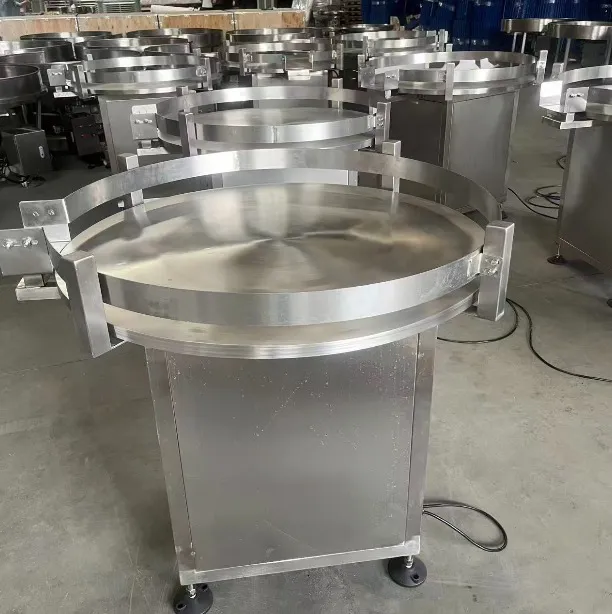
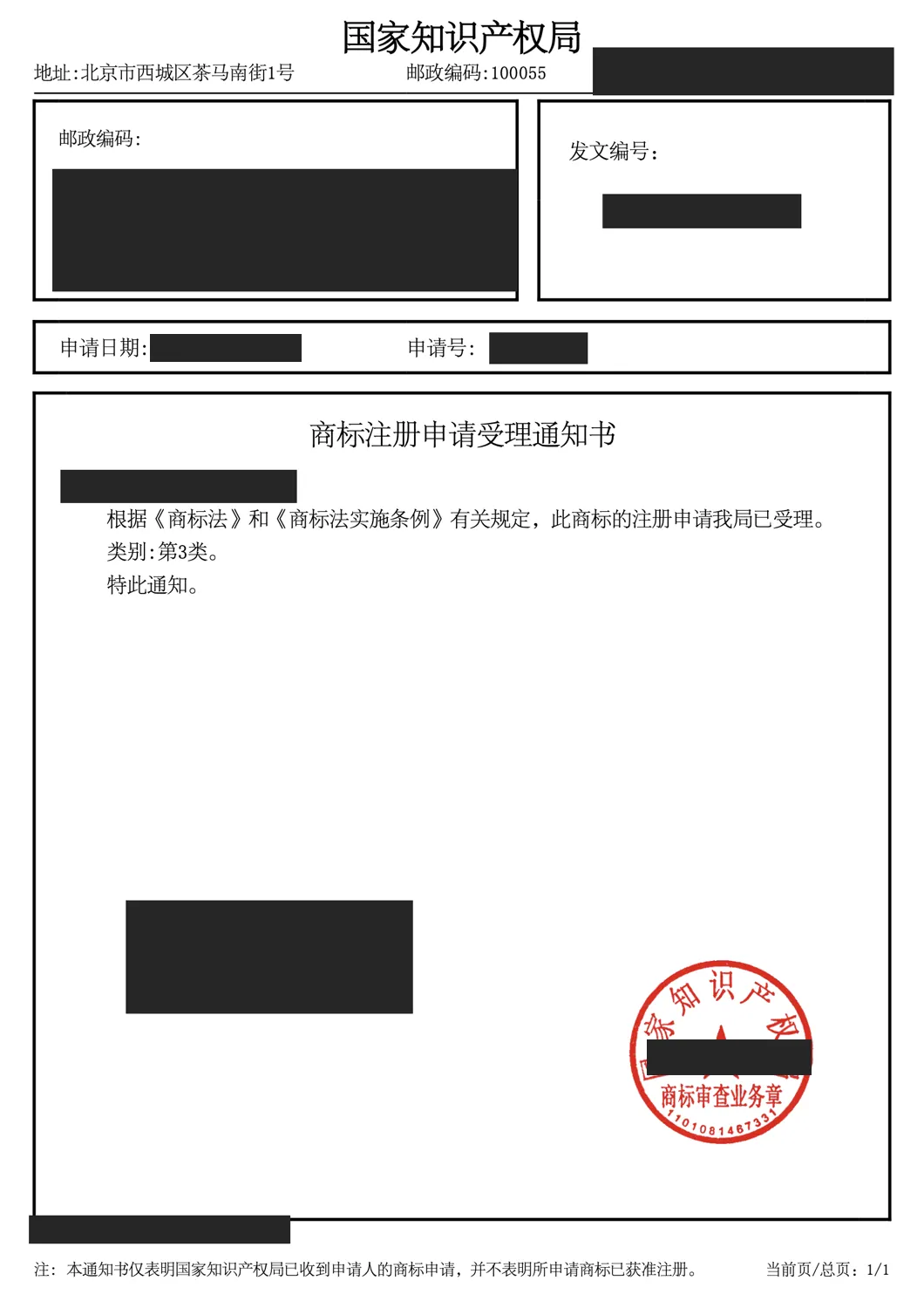
  • The CNIPA acceptance notice for each application, followed by the registration certificate.
  • For contested work, an evidence plan and a short written view on each route.
Redacted CNIPA acceptance notice for a Class 3 trademark application
Acceptance notice from a completed Class 3 filing for an overseas client.
Redacted CNIPA acceptance notice for a Class 6 trademark application
Acceptance notice from a completed Class 6 filing for an overseas client.

Shown with the clients' consent. The applicant, address, application number, dates, barcode, the mark itself and the agency details have been removed.

Selected matters

Filing projects I have completed. Names, marks, products and dates have been removed or changed, and some facts have been combined. They show the type of work involved and do not promise any outcome.

A descriptive name for a smart training device.

An overseas sports-technology team wanted an English word mark for a sensor-based training accessory and its app. The search showed the word described the product's function and shared its core with earlier marks in the key hardware classes. I rated the risks, ranked the core, use-setting and sales classes, and recommended a combined mark with a distinctive element plus an invented back-up name.

One brand across five product lines.

A direct-to-consumer brand wanted one English mark across personal care, wearable accessories, air-treatment devices, household tools and clothing. I mapped each product to its Chinese class and sub-class, searched each, and split the plan into items to file now, items to adjust and items needing a clearance plan, so the client could file in batches within budget.

Three versions of a mark for building systems.

A foreign manufacturer wanted to protect a combined logo, its full English name, a short core word and a Chinese transliteration. The short word met close earlier marks in fabrication, engineering design and promotion. The combined mark and full name went first in the two core classes, with the scope fixed class by class in a written confirmation before filing.

Questions buyers usually ask

How long does a China trademark application take?

Examination usually takes several months. If the mark is approved for publication and nobody opposes it, the registration follows once the publication period ends. A partial refusal, a review or an opposition adds time, so file well before you need the registration.

Do I need a Chinese-language version of my mark?

The law doesn't require one. In practice Chinese buyers, platforms and distributors will give your brand a Chinese name whether you choose one or not. Choosing and registering the name you want is much cheaper than recovering one someone else has registered.

Can I extend my international registration to China through the Madrid system?

Yes. A direct Chinese filing lets you use the standard Chinese descriptions of goods and services from the start, which reduces refusals over wording and makes later enforcement simpler. I usually recommend a direct filing for the core classes.

My Chinese factory or distributor registered my brand. What can I do?

Chinese law gives a specific ground against an agent, representative or business partner who registers a brand it knew belonged to you. It is usually raised by opposition during publication or by an invalidation request. Emails, contracts, orders and samples that show the relationship are the key evidence.

Does a mainland China registration cover Hong Kong, Macau or Taiwan?

No. Hong Kong, Macau and Taiwan each keep their own trademark registers. A mainland filing protects the mark in mainland China only.

What does trademark work cost?

A clearance search is USD 300 per mark per class. Filing starts at USD 600 per class, plus official fees. Oppositions, invalidations, non-use cancellations and enforcement are quoted after I have seen the documents, because the work depends on the evidence.

Further reading

Start with a short message to Adrian.

English or Chinese. A short, non-confidential summary is enough to start.

Start with a short summary and the parties’ names for a conflict check. Please wait for us to confirm how to share documents before sending sensitive files. Sending an enquiry does not mean we have accepted the instruction.

Deadline or contact preferences (optional)

Please do not include confidential documents, detailed personal records or sensitive business information. Sending an enquiry does not establish representation or authorize action. Do not rely on this form to meet a deadline. Privacy notice

Adrian receives your enquiry and coordinates with the responsible lawyer. English or Chinese.